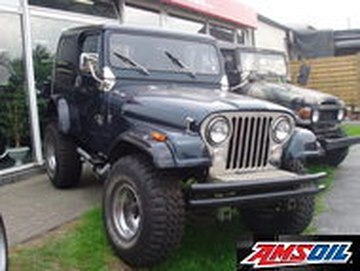
Engine Maintenance for the 1983 Jeep CJ-7 2.5L
Maintaining an older vehicle requires consistent attention to fluid levels and component health to ensure reliable operation. For the 1983 Jeep CJ-7 equipped with a 2.5L engine, focusing on cooling system integrity and proper lubrication practices is essential for long-term engine health.
What coolant does my 1983 Jeep CJ-7 2.5L take?
For this vehicle, the following products are listed: ANTPC1G-EA Passenger Car & Light Truck Antifreeze & Coolant and ANT1G-EA Low Toxicity Antifreeze and Engine Coolant.
Engine Oil Lubrication Fundamentals
The engine oil serves as the primary defense against internal friction, heat, and contaminants. Regular monitoring of the oil level using the dipstick is a fundamental maintenance task. When checking the oil, it is best to perform the check on level ground with the engine at operating temperature or after it has been allowed to sit for several minutes to ensure all fluid has settled in the pan.
In addition to checking levels, observing the physical condition of the oil can provide insight into engine health. Darker oil is a normal sign of used lubricant, but milky or frothy textures may indicate that coolant has entered the lubrication system, which requires immediate inspection. If the oil smells strongly of fuel, it may suggest an issue with the combustion process or fuel system components.
Cooling System Integrity and Maintenance
A functional cooling system is vital to prevent engine overheating. Beyond selecting the correct antifreeze products listed above, owners should regularly inspect all cooling system components for signs of failure. This includes checking radiator hoses for cracks, softening, or bulging, as well as inspecting the radiator itself for leaks or debris buildup that could restrict airflow.
The thermostat and water pump are critical components within this system. If the vehicle experiences temperature fluctuations or if the heater fails to provide warmth, these components may require testing or replacement. Maintaining a clean radiator surface helps ensure efficient heat exchange, which is necessary for managing engine temperatures during operation.
Monitoring Fluid Levels Regularly
Consistent inspections of all vital fluids can prevent minor issues from becoming major mechanical failures. While the cooling system and engine oil are primary concerns, other fluids should also be monitored according to the manufacturer's maintenance schedule found in the owner's manual. This includes checking for leaks on the ground beneath the vehicle, which can serve as an early warning sign of a failing seal, gasket, or hose.
When adding fluids, always ensure that you are using the correct type specified for your specific application. Mixing incompatible fluids can lead to chemical reactions that may damage seals or reduce the effectiveness of the coolant or lubricant.
Managing Engine Oil Changes
Changing the engine oil is one of the most important aspects of vehicle upkeep. Over time, oil breaks down due to heat and becomes contaminated with combustion byproducts and microscopic debris. To maintain optimal lubrication, follow the service intervals provided in your owner's manual. If you find that the oil appears excessively dirty or if the engine is operating under different conditions than usual, consult your documentation for guidance on when to perform a change.
During an oil change, it is standard practice to replace the oil filter at the same time. This ensures that the new oil is not immediately contaminated by the old debris trapped in the previous filter. Always ensure that all drain plugs and filter housings are tightened to the correct specifications to prevent leaks.
Inspecting Belts and Hoses
The cooling system and various engine accessories rely on a network of hoses and belts. Rubber components naturally degrade over time due to heat cycles and environmental exposure. Inspecting these parts involves looking for signs of dry rot, cracking, or glazing on belts, and checking hoses for any signs of swelling or brittleness.
A belt that is slipping may cause issues with the water pump or other accessory drives, potentially leading to overheating. If a hose feels excessively soft or shows signs of leaking at the connection points, it should be addressed promptly to prevent a sudden loss of coolant.
BUYING ENGINE OIL
When you are ready to purchase lubrication for your vehicle, ensure you have the correct requirements identified. For this 1983 Jeep CJ-7 2.5L, the database allows for 10W-30 engine oil. When shopping, look for products that meet the necessary standards for your specific engine and consult your owner's manual to confirm all fluid requirements before making a purchase.